Introduction
The National Handicap Insurance coverage Scheme (NDIS) is crucial in Australia, giving support and services to individuals with handicaps. Among the important parts of NDIS financing is specialized training programs targeted at outfitting caregivers with the necessary abilities to take care of complex health demands. Among these, NDIS Complex Bowel Care Training attracts attention as an important program created for carers, households, and medical care professionals. This detailed overview will certainly look into every aspect of complex bowel care, consisting of stoma care training, digestive tract management methods, and the importance of tailored education and learning for those looking after people with ostomies.
Understanding NDIS Complex Bowel Care Training
What is NDIS Complex Bowel Care Training?
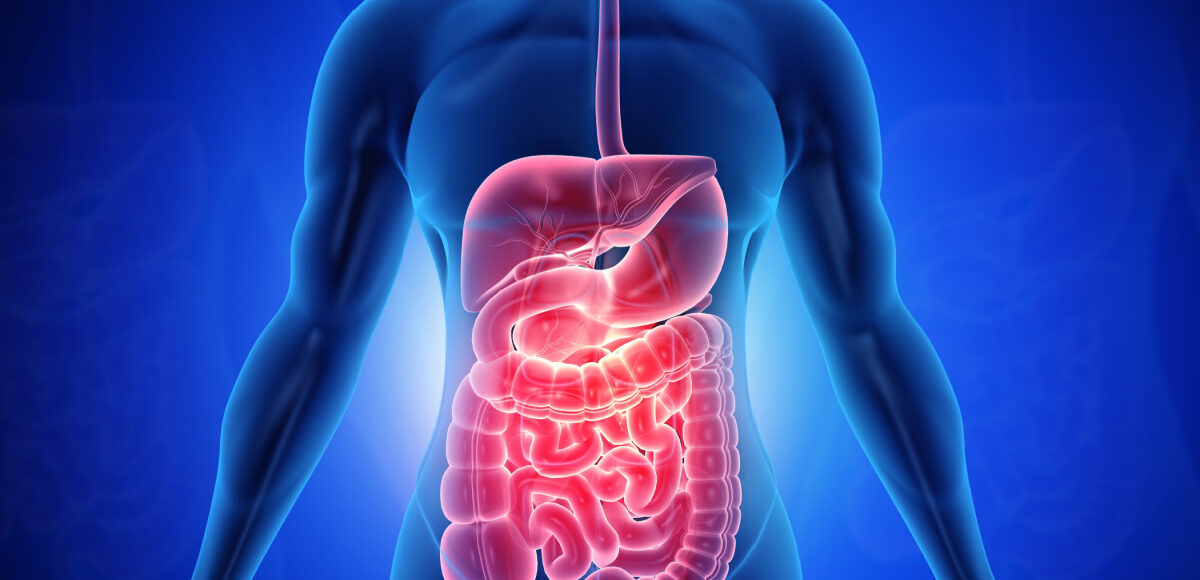
NDIS Complex Bowel Care Training is a specific program customized to inform caregivers on handling complicated digestive tract problems related to impairments. This training covers different topics, consisting of bowel care management strategies, comprehending different sorts of stomas, and practical abilities required for efficient care.
Importance of Specialized Training
As caregiving functions progress, so does the requirement for specialized understanding. Many people living with disabilities encounter stomach difficulties that require distinct methods to care. Consequently, training programs like the complex digestive tract treatment course supply vital tools and expertise to make certain that caretakers can provide the most effective assistance possible.
Who Should Enlist in the Training?
This training is essential for:
- Family members or friends serving as primary caregivers. Healthcare professionals looking for to improve their experience in digestive tract management. Support employees involved in disability services. Anyone curious about understanding much better how to take care of an ostomy or manage intricate digestive tract conditions.
The Parts of NDIS Complex Bowel Care Training
Overview of Course Content
The complex digestive tract treatment course usually consists of:
Fundamentals of digestive tract anatomy and physiology. The role of diet and nutrition in bowel health. Techniques for analyzing digestive tract function. Practical skills associated with ostomy care and stoma management. Strategies for managing irregular bowel movements, diarrhea, and other complications.Understanding Stomas and Ostomies
What is a Stoma?
A stoma is a surgically produced opening that links an interior body organ to the beyond the body. It's commonly necessary after surgeries involving the intestines or bladder as a result of diseases such as cancer cells or inflammatory bowel condition (IBD).
What is an Ostomy?
An ostomy refers to the treatment that develops a stoma; it can include different organs consisting of:
- Colostomy (big intestine) Ileostomy (tiny intestine) Urostomy (urinary system)
What is Ostomy Care?
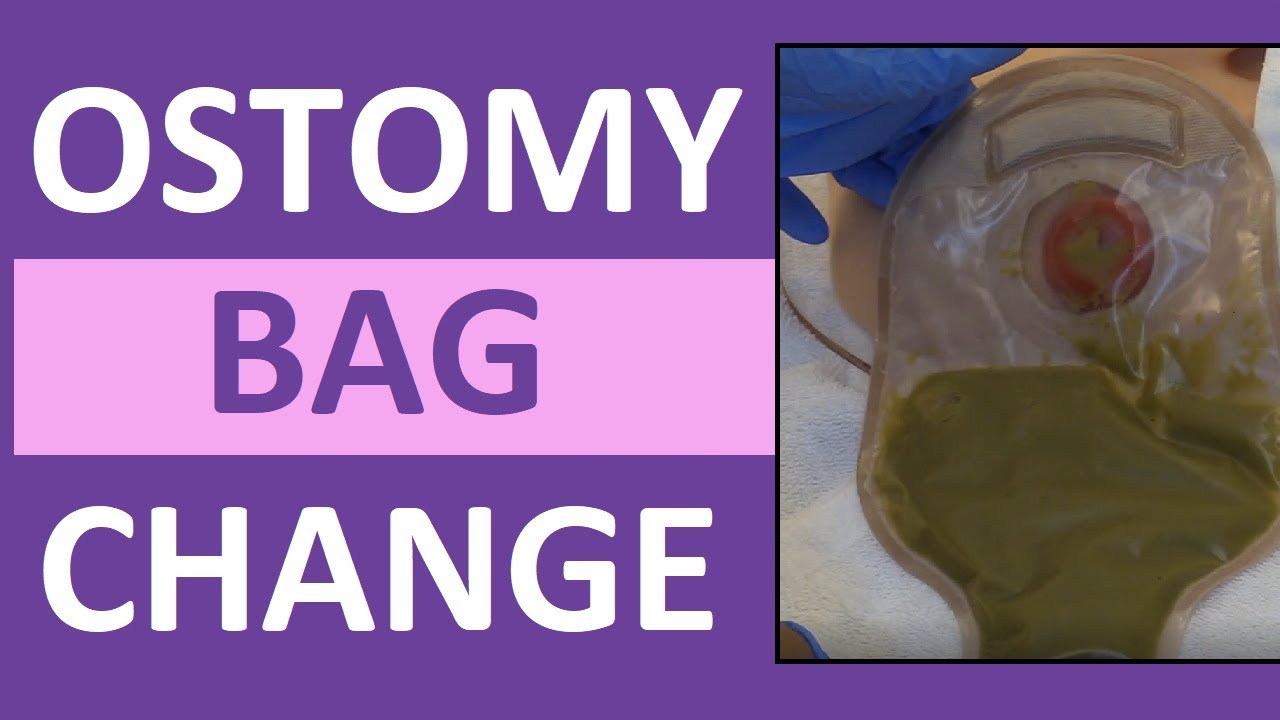
Ostomy care encompasses all practices involved in maintaining health around a stoma site, making certain appropriate feature of the ostomy bag, and identifying indicators of potential difficulties such as infection or blockage.
Key Knowing Outcomes from NDIS Complex Bowel Care Training
Enhanced Recognizing of Bowel Management
Participants will gain insights into effective bowel administration methods tailored for individuals with varying abilities and needs.
Skills in Stoma Care
Comprehensive training gears up carers with vital abilities associated with transforming ostomy bags, skin defense around the stoma site, and acknowledging indicators that might require clinical attention.
Increased Self-confidence in Offering Care
With robust training comes confidence. Carers will feel extra outfitted to deal with delicate circumstances surrounding bowel care without feeling overwhelmed or uncertain.
Bowel Treatment Management Techniques
Dietary Considerations
Diet plays an essential role in handling digestive tract wellness. Carers need to know foods that promote healthy digestion versus those that might aggravate issues like irregularity or diarrhea.
Foods Beneficial for Digestive Wellness:
- High-fiber fruits and vegetables Whole grains Lean proteins Adequate hydration
Practical Abilities Development
Hands-on practice throughout training allows participants to engage proactively with tools associated with bowel care management, like:
- Using digital apps for tracking dietary intake Hands-on demos on changing ostomy bags Workshops on using assistive tools if required
Stoma Care Training: Important Skills for Carers
Importance of Stoma Care Training for Carers
Effective stoma care can considerably boost a person's quality of life post-surgery. Recognizing exactly how to take care of an ostomy properly guarantees fewer problems arise over time.
Key Topics Covered in Stoma Care Training
Stoma treatment training includes in-depth lessons on:
Proper cleansing techniques. How to recognize skin irritations early. Management approaches when traveling or taking part in physical activities.Hands-On Learning Opportunities
Many programs offer simulated environments where carers can practice their skills on versions before using them in real-life situations.
The Duty of Ongoing Education
Why Continual Learning Matters
Healthcare methods consistently advance; remaining upgraded guarantees caregivers are providing evidence-based treatment reflective of current best practices.
Online Resources
Participants are motivated to use on-line resources post-training, consisting of online forums where they can ask questions or share experiences concerning ndis complicated digestive tract care
Understanding Individual Experiences
Case Studies: Real-Life Impacts
Incorporating case studies within training assists show exactly how reliable complex bowel care enhances outcomes for individuals coping with disabilities.
Example Study 1: John's Trip Post-Surgery
John had trouble changing after undergoing colostomy surgery but thrived when his carer implemented found out methods from their complex bowel care training program.
Example Study 2: Sarah's Experience with Ostomy Management
Sarah really felt isolated till her carer learnt more about dietary modifications that considerably boosted her bowel care management convenience level post-surgery.
Challenges Encountered by Carers
Emotional Challenges
Caring for somebody with complicated health needs can take a psychological toll on caretakers; hence, recognizing coping techniques ends up being essential during training sessions.
Physical Demands
Training also resolves physical aspects-- like training individuals safely-- to reduce injury dangers both for carers and those they assist.
Resources Offered Post-Training
Accessing Assistance Networks
Participants are motivated to sign up with support groups where they can go over experiences and obstacles dealt with while looking after individuals needing complicated bowel assistance.
Continuing Education and learning Opportunities
Many organizations provide advanced courses concentrating especially on sophisticated stoma care or specialized diet plans advantageous post-surgery which participants might discover beneficial long-term.
FAQs Regarding NDIS Complex Bowel Care Training
What prerequisites are required for signing up in NDIS Complex Bowel Care Training?- Generally no specific prerequisites exist; nonetheless familiarity with standard caregiving concepts can be beneficial.
- Most programs span numerous weeks depending on content deepness; some offer extensive weekend workshops too!
- Yes! Effective graduates generally get certificates recognizing their competency in complicated bowel management principles!
- Absolutely! Several qualified participants have gain access to funding with their strategies especially aimed at academic pursuits!
- Yes! A number of reliable companies use versatile on-line components catering towards hectic schedules while still providing extensive materials!
- Consulting medical care experts familiarizes you even more concerning potential signs and symptoms needing expert treatment along education methods available!
Conclusion
Understanding NDIS Complex Bowel Care Training represents not simply a requirement but additionally an opportunity-- a chance to enhance lives via education and compassion-driven caregiving methodologies! With advancements within this field continuing daily along with expanding awareness around handicap issues internationally-- each step taken today leads us in the direction of brighter futures filled hope & & recovery opportunities! By investing time right into discovering these important facets bordering intestinal tract wellness along associated topics like stomas & & ostomies-- it furnishes everybody entailed-- from individuals themselves all means down family members assisting them-- in navigating trips effectively whatever challenges develop together strongly facing them head-on!